The postpartum season is one of the most physiologically demanding and emotionally tender times in a woman’s life. Your body has just grown and birthed a baby (no easy feat right there!), your hormones are shifting dramatically, your sleep is fragmented, and your tissues are healing. In the midst of all of this, hydration often becomes an afterthought—yet it is one of the most foundational pillars of postpartum recovery.
Whether you are breastfeeding or not, staying well-hydrated supports healing, energy, mood, digestion, milk production (if applicable), and overall resilience during this transformative season. Let’s explore why hydration matters so much postpartum, how much fluid you actually need, what counts toward hydration, and how electrolytes play a key role.
Why Hydration Is Critical in the Postpartum Period
During pregnancy, your blood volume increases by nearly 50%. After birth, your body begins the process of rebalancing fluids through sweating, urination, lochia (postpartum bleeding), and tissue repair. This alone increases your fluid needs—before we even factor in breastfeeding.
Adequate hydration postpartum supports:
Hormonal balance as estrogen and progesterone rapidly decline
Milk production and letdown for breastfeeding parents
Circulation and nutrient delivery to healing tissues
Digestive regularity, helping prevent constipation
Energy levels and cognitive function, especially with sleep deprivation
Mood and nervous system regulation, which can impact anxiety and emotional resilience
Dehydration, even mild, can contribute to headaches, fatigue, dizziness, low milk supply, dry skin, constipation, irritability, and feelings of being run down.
Hydration Needs for Breastfeeding Moms
If you are breastfeeding, your hydration needs are significantly higher. Human milk is approximately 87% water, and your body prioritizes milk production—even if it means pulling fluids from your own tissues.
On average, breastfeeding moms need around 120 ounces (about 3.5 liters) of fluid per day. Some may need more depending on body size, climate, activity level, and frequency of nursing or pumping.
A helpful way to think about this is:
Drink consistently throughout the day
Aim to sip at every nursing or pumping session
Focus on preventing thirst rather than reacting to it
Thirst is often a late sign of dehydration, especially postpartum when stress hormones can blunt hunger and thirst cues.
Hydration Needs If You’re Not Breastfeeding
Even if you’re not breastfeeding, hydration remains essential for postpartum healing. Your body is still:
Recovering from blood loss
Repairing uterine and pelvic tissues
Clearing excess fluids retained during pregnancy
Supporting adrenal and thyroid function
Non-breastfeeding postpartum parents often do best aiming for 80–100 ounces of fluid per day, adjusting based on individual needs. If you feel fatigued, lightheaded, or struggle with digestion, hydration is one of the first areas to reassess.
Water Is Great—But It’s Not the Only Option
Plain water is a wonderful foundation, but hydration doesn’t have to mean forcing down endless glasses of cold water. In fact, many postpartum bodies tolerate warm, mineral-rich fluids better than plain water alone.
Hydrating fluids that count include:
Filtered water (room temperature or warm)
Herbal teas (ginger, chamomile, nettle, lemon balm)
Bone broth or mineral broth
Coconut water
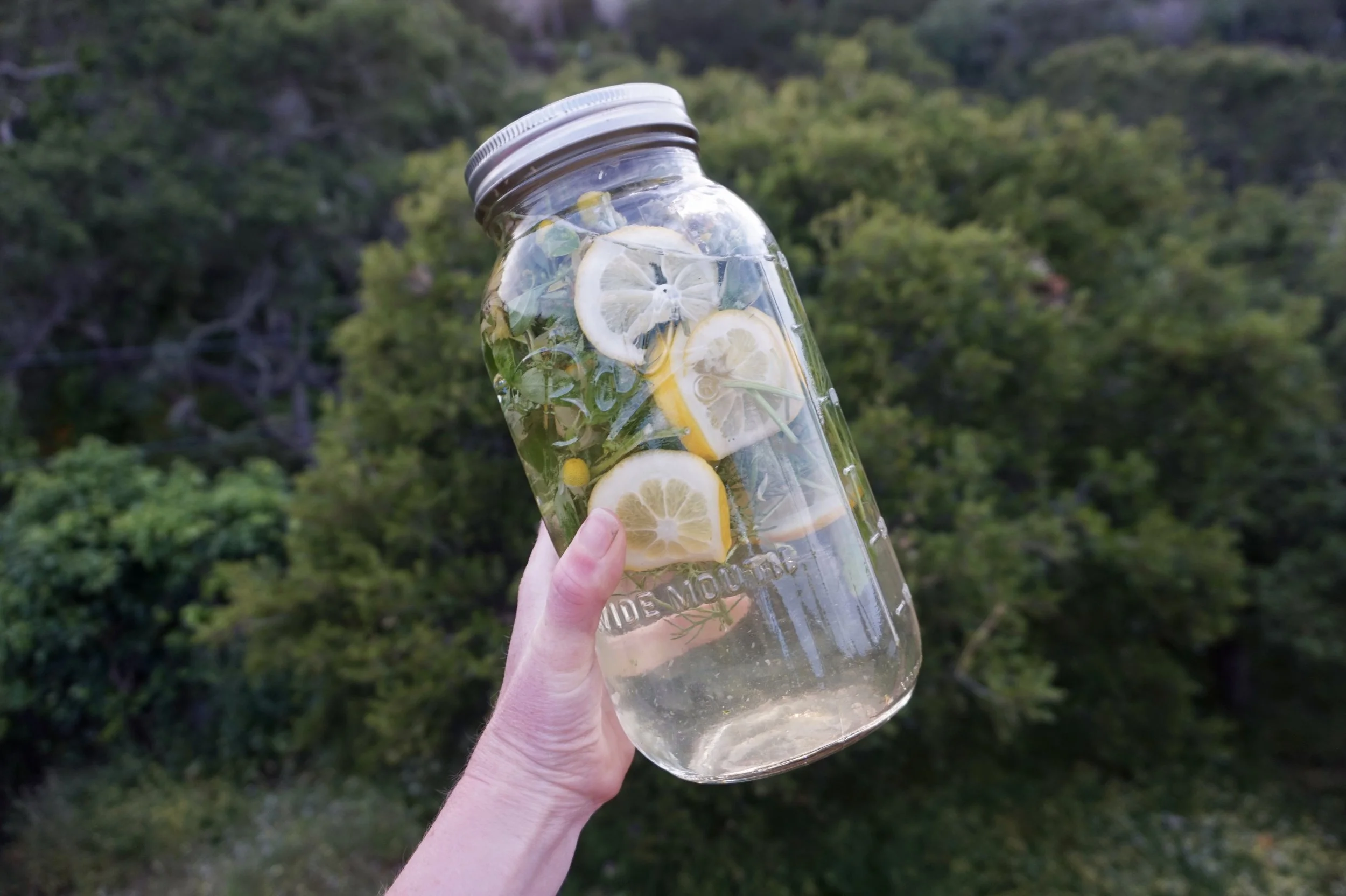
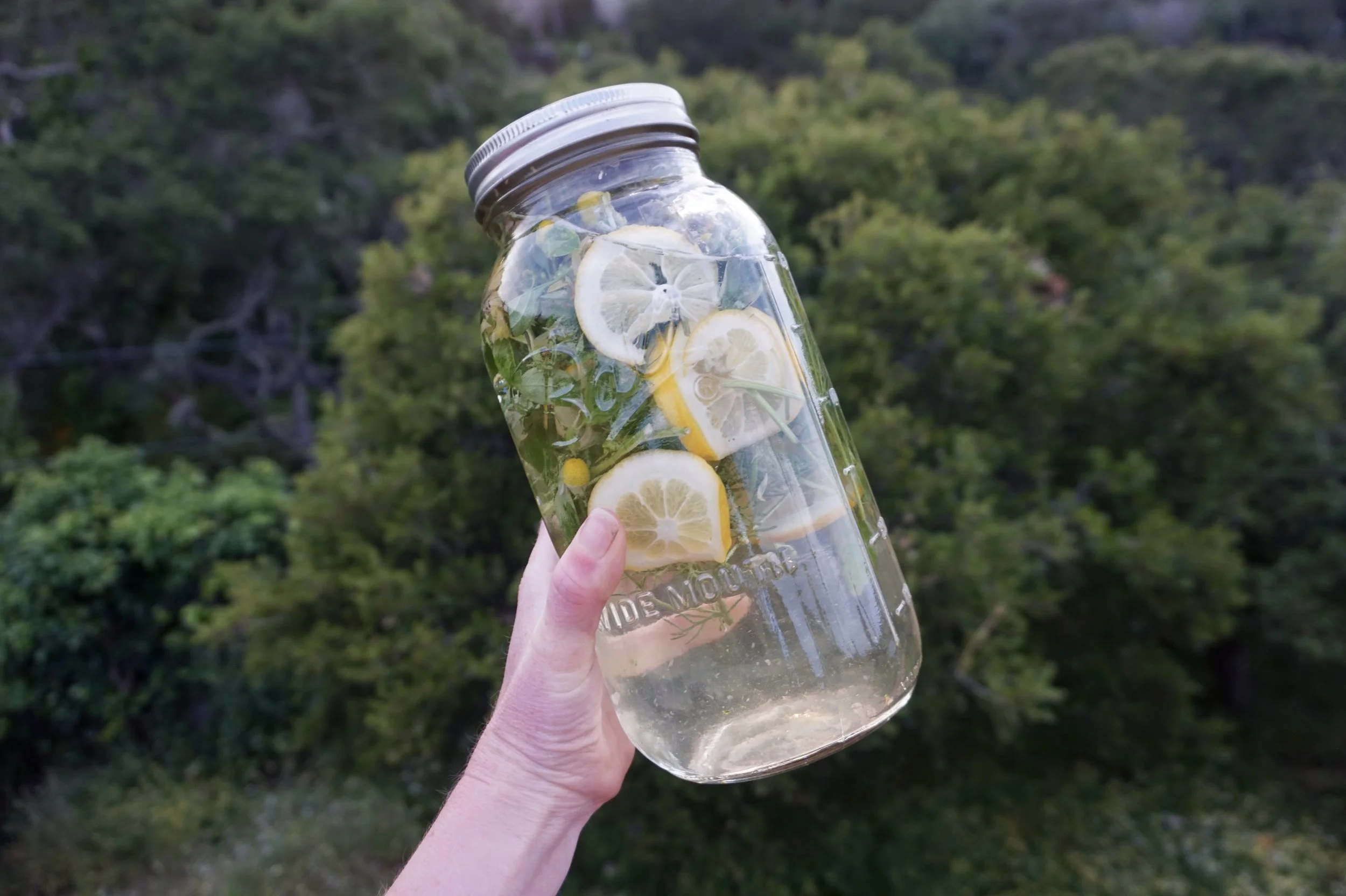
Homemade electrolyte drinks
Soups and stews
Milk or dairy-free milks (unsweetened)
Foods with high water content—like fruits, cooked vegetables, and soups—also contribute meaningfully to hydration.
The Role of Electrolytes in Postpartum Hydration
Hydration is not just about water—it’s about water + minerals.
Electrolytes such as sodium, potassium, magnesium, and chloride help regulate fluid balance, nerve signaling, muscle function, and cellular hydration. When you drink large amounts of plain water without electrolytes, especially postpartum, it can actually dilute minerals and leave you feeling more fatigued or “washed out.”
Postpartum parents often need more electrolytes, particularly if they are:
Breastfeeding
Sweating more (night sweats are common postpartum)
Experiencing dizziness or headaches
Feeling depleted despite drinking plenty of fluids
Sodium is especially important postpartum and should not be overly restricted unless medically indicated. Salting food to taste and including mineral-rich drinks can make a noticeable difference in energy and milk production.
A Note on Caffeine and Alcohol
Caffeine and alcohol both have mild diuretic effects, meaning they can increase fluid loss—especially when consumed in larger amounts or without adequate hydration alongside them.
Caffeine (coffee, energy drinks, strong teas) can contribute to dehydration, nervous system stimulation, and disrupted sleep. If you choose to consume it, pair it with extra fluids and electrolytes.
Alcohol is dehydrating and can interfere with sleep quality, mood, and milk supply. Limiting or avoiding alcohol during postpartum recovery can significantly support hydration and healing.
This isn’t about perfection—it’s about awareness and balance. Supporting your body with nourishing fluids makes it easier to enjoy these things occasionally without depletion.
Signs You May Need More Fluids or Electrolytes
Common signs of under-hydration postpartum include:
Dark yellow urine
Headaches
Fatigue or brain fog
Dry lips or skin
Dizziness upon standing
Muscle cramps
Low milk supply or sluggish letdown
If you’re drinking plenty but still experiencing these symptoms, adding electrolytes—not just more water—may be the missing piece.
Homemade Postpartum Electrolyte Drink Recipe
This simple recipe provides hydration, minerals, and gentle glucose to support absorption—perfect for postpartum recovery.
Ingredients:
32 ounces filtered water
¼–½ teaspoon high-quality sea salt or Himalayan salt
¼ cup fresh orange juice or coconut water
1–2 teaspoons raw honey or maple syrup (optional)
Optional: a squeeze of lemon or lime
Instructions:
Add all ingredients to a jar or pitcher.
Stir or shake well until dissolved.
Sip throughout the day, especially in the morning or during nursing sessions.
You can adjust salt and sweetness to taste. This drink can be made daily or kept refrigerated for a couple days.
Want to buy an electrolyte powdered supplement instead?
My two favorites are LMNT (you can use this link for your first order and they’ll send you a free 12 sample variety pack with any purchase) which has a bold, saltier taste, and Needed (use this link and “wildflower” at checkout for 20% your first month of any subscription) which has a more subtle, sweet taste. I recommend drinking one a day for the first year or so postpartum (or for the duration of breastfeeding), and then evaluating from there.
Final Thoughts
Hydration is one of the simplest yet most powerful ways to support your postpartum body. Whether you are breastfeeding or not, adequate fluids—paired with electrolytes—help stabilize energy, mood, milk supply, and healing.
Rather than seeing hydration as another “to-do,” think of it as an act of nourishment and self-respect. Your body has done something extraordinary. It deserves steady, mineral-rich support as it recovers and adapts to this new chapter.
A full cup beside you during feeds, a warm mug of broth, or a jar of homemade electrolytes on the counter can quietly, consistently make this season feel more supported—one sip at a time.
Read my article about electrolytes during pregnancy here.
This blog post contains affiliate links, which means I may earn a commission if you choose to make a purchase. Let it be known that I only ever recommend products that I whole-heartedly recommend, that I use myself, and that I would recommend to my best friend. I hope these resources can be helpful for you too.